
“Put your shoes on, please.”
“No.”
“We’re leaving now. I asked you already, so I’m going to help you.”
“I want to do it MYSELF!”
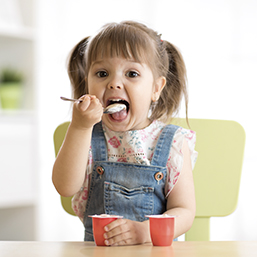
When your child graduates from toddlerhood to childhood, things change a little food-wise. Your little one might be in preschool now or perhaps they’re in a dayhome or with a nanny (or maybe still at home with you!). Either way, your child most likely won’t be eating all of their meals at home anymore, which possibly means that you may not have as much control over everything they’re offered. This can be a really good and somewhat challenging thing all at once. Let me explain!
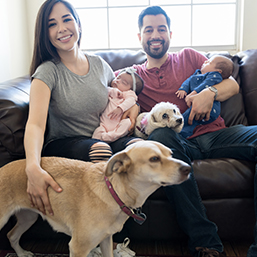
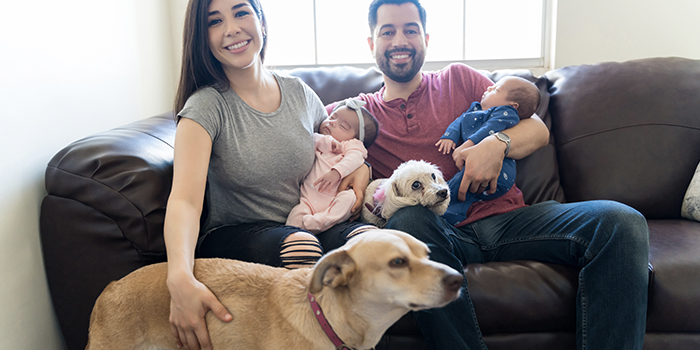
We place so many expectations on our dogs. When we imagine our families expanding, we often picture our dogs stepping effortlessly into roles like sibling, protector, and best friend. We assume the bond will be instant and strong the moment we bring our baby home. That’s the story we see on social media and in movies – a romanticized vision of dogs intuitively knowing what to do, without guidance or support.
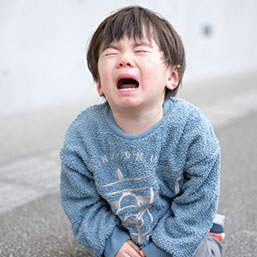
Temper tantrums range from whining and crying to screaming, kicking, hitting, and breath-holding spells. They're equally common in boys and girls, and usually happen between the ages of one to three. Some kids may have tantrums often and others have them rarely. Tantrums are a normal part of child development. They're how young children show that they're upset or frustrated.
Page 1 of 51




Calgary’s Child Magazine © 2026 Calgary’s Child